01 · Foundation
Build Magnesium-Rich Meals
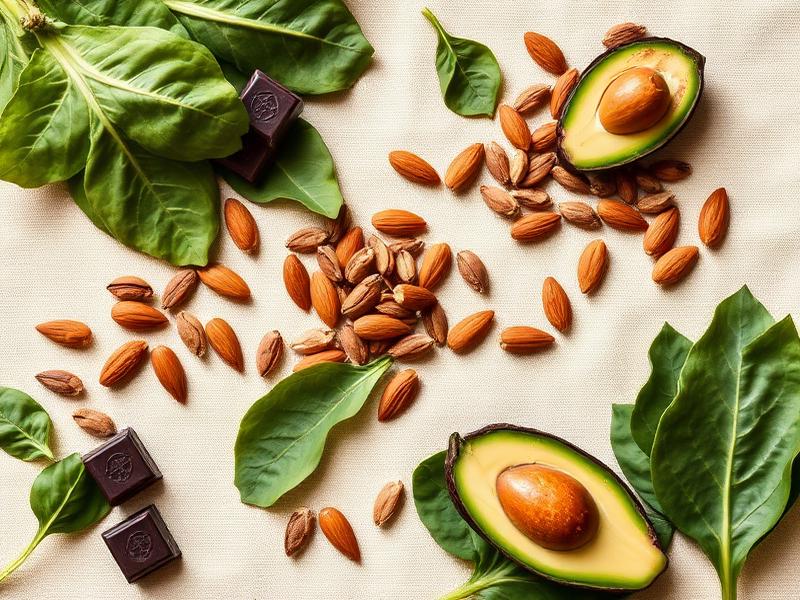
Dark leafy greens, pumpkin seeds, almonds, avocado, and a square of dark chocolate. Magnesium is the mineral the heart leans on for steady electrical rhythm.
Daily
The menopause-aware playbook for heart palpitations — a self-check quiz, the foods that calm them, daily habits, supplements, and the medical options worth exploring. Built by Dr. Tammy for the women whose 3 a.m. pounding keeps getting called just anxiety.
Instant PDF · No spam · Unsubscribe anytime


"Your heart didn't get nervous. Your hormones changed the volume on every beat."
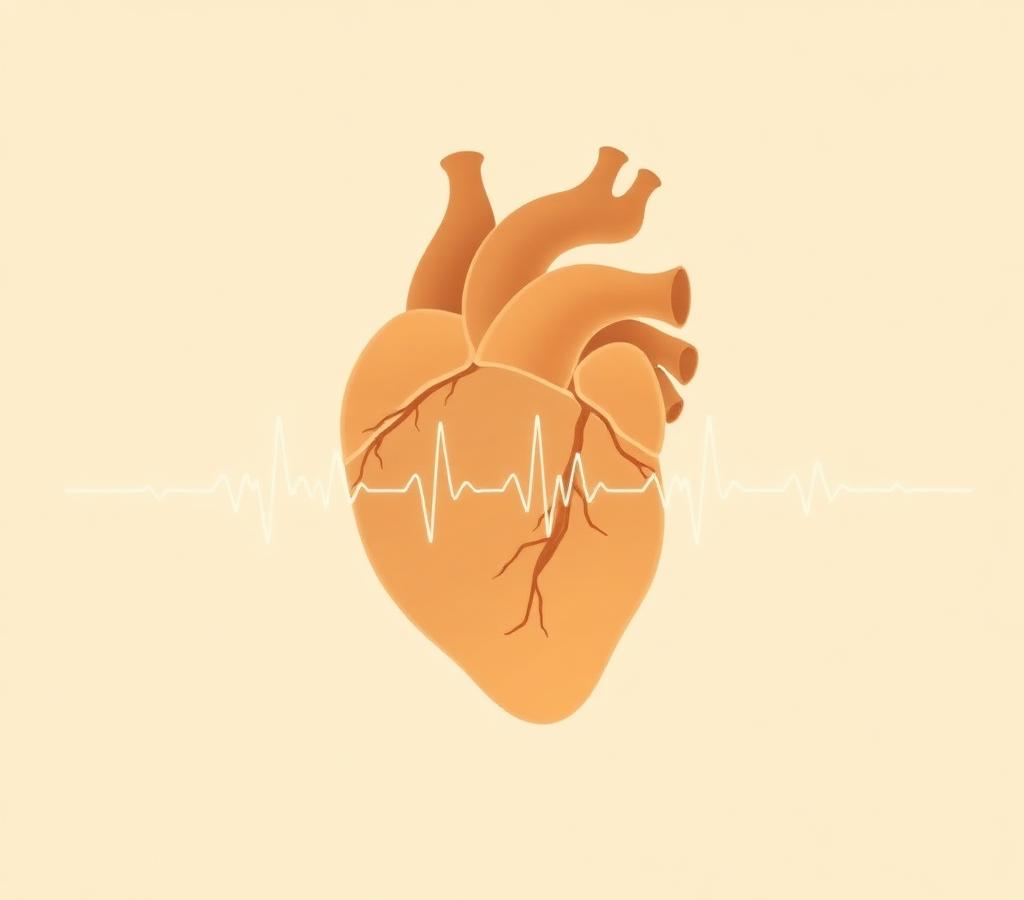
Estrogen helps the autonomic nervous system keep your heart's rhythm even and your stress chemistry balanced. As perimenopause and menopause pull estrogen down, the heart becomes more reactive: adrenaline surges feel bigger, hot flashes pull the heart rate up with them, and you notice every beat at night. That's why nearly half of women in the menopause transition report new palpitations — and why most of them are benign.
The same physiology that drives hot flashes, sleep disruption, and rising anxiety also drives palpitations. They cluster together because they share a common trigger: an estrogen-deprived nervous system overshooting on adrenaline. Calm one and you usually calm them all.
Estrogen helps steady the autonomic nervous system. As levels swing and drop, the heart becomes more reactive and rhythm-sensitive.
Hormone shifts crank up adrenaline and noradrenaline — the same chemicals that race your heart in a stressful moment, now firing for no clear reason.
Vasomotor flushes ride along with brief tachycardia. Many palpitations are simply the cardiac signature of a hot flash you may not even feel.
Disrupted sleep, night sweats, and rising anxiety all amplify how often you notice your heartbeat — and how strong each beat feels.
The first two are red-flag questions. Palpitations are almost always benign — but some patterns need a doctor today. Answer honestly. Not a diagnosis.
None of these are emergency fixes. They lower the background adrenaline and steady the nervous system so episodes get rarer, shorter, and quieter. Start with magnesium and slow breathing — they do the heaviest lifting.
Dark leafy greens, pumpkin seeds, almonds, avocado, and a square of dark chocolate. Magnesium is the mineral the heart leans on for steady electrical rhythm.

Dehydration and low sodium/potassium are classic palpitation triggers. Sip water steadily and add minerals — especially on hot days or after sweating.

Caffeine, alcohol, nicotine, energy drinks, and sugary snacks all spike your heart. Pull them back one at a time and watch your episodes thin out.

Five minutes of 4-in / 6-out breathing trains the vagus nerve to settle the heart. The best in-the-moment tool when an episode starts.

A cool, dark room and a steady bedtime calm overnight adrenaline surges — the ones that wake you with a pounding heart at 3 a.m.

Walking, yoga, and light strength training improve heart-rate variability — your built-in resilience to stress. Skip the all-out HIIT during flare weeks.
None of these replace medical care for arrhythmia. They support the minerals, mitochondria, and stress chemistry the heart relies on. Run any new supplement past your doctor — especially with heart medication, beta-blockers, or blood thinners.
Professional-quality brands at member pricing through our Fullscript portal.
Open supplement portalThe most studied supplement for benign palpitations and night-time pounding.
Deficiency is linked to atrial fibrillation and high-output heart strain — hospitals give IV thiamine for rhythm and heart-failure cases. Diuretics, alcohol, and high-sugar diets all deplete it.
Bananas, oranges, beans, potatoes. Only supplement under medical guidance.
Supports heart-rhythm stability and lowers inflammation.
Amino acid linked to calmer cardiac rhythm and lower anxiety.
Supports the mitochondrial energy the heart muscle runs on.
Eases the anxiety loop that amplifies palpitations, without sedation.
Traditional cardiotonic herb used for benign rhythm complaints.
Supports nervous-system regulation and stress resilience.
Leafy greens, beans, avocado, bananas, oranges, nuts, seeds. The mineral foundation a steady heart depends on.
Salmon, sardines, walnuts, flax, eggs, and beans support heart-rhythm stability and steady blood sugar.
The classic trio of palpitation triggers. Pull each one back and most women feel the difference within a week.
Blood-sugar crashes provoke adrenaline — and adrenaline is what your heart hears as a palpitation.
Ordered roughly by where most people start. Trigger audits, breath work, and a hormone review come first — but don't sit on red-flag symptoms. Documented arrhythmias deserve real testing and, sometimes, real medication.
Two weeks of a simple log: what you ate, drank, slept, and felt before each episode. Patterns reveal themselves fast.
Slow breathing, yoga, meditation, or therapy. The nervous system is the lever you can move today, without a prescription.
Talk to a menopause-aware clinician. HRT, route, and dose all influence whether palpitations ease — or briefly worsen — at startup.
Thyroid (TSH/T3/T4), iron/ferritin, electrolytes, B12, and glucose. These quietly drive palpitations and are easy to fix once seen.
A baseline tracing to rule out arrhythmia. Quick, painless, often normal — but reassurance has its own therapeutic effect.
Wear a small monitor for 24 hours to 14 days so an episode actually gets recorded. The single most useful test if episodes are frequent.
Ultrasound of the heart's structure and function. Ordered when the history or ECG suggests something beyond benign palpitations.
Often the smallest, most targeted medication for recurrent menopausal palpitations — softens the adrenaline response.
For many women, calming hot flashes also calms the palpitations that ride alongside them. A clinician-guided decision.
If episodes are long, fainting, or your ECG is abnormal — a cardiologist confirms or rules out a true arrhythmia.
Reserved for documented arrhythmias. Maps the heart's wiring and, when indicated, can be combined with ablation.
Useful alongside — not instead of — medical care. Reduces the anxiety and sleep disruption that amplify episodes.
If you'd like support with menopause or perimenopause hormone care and how it affects your heart, book a free call with our team.
Instant PDF · No spam · Unsubscribe anytime
Prefer to grab it now? Download the PDF directly →